
Asian Hornet Monitoring UK: Why It Matters and How You Can Help
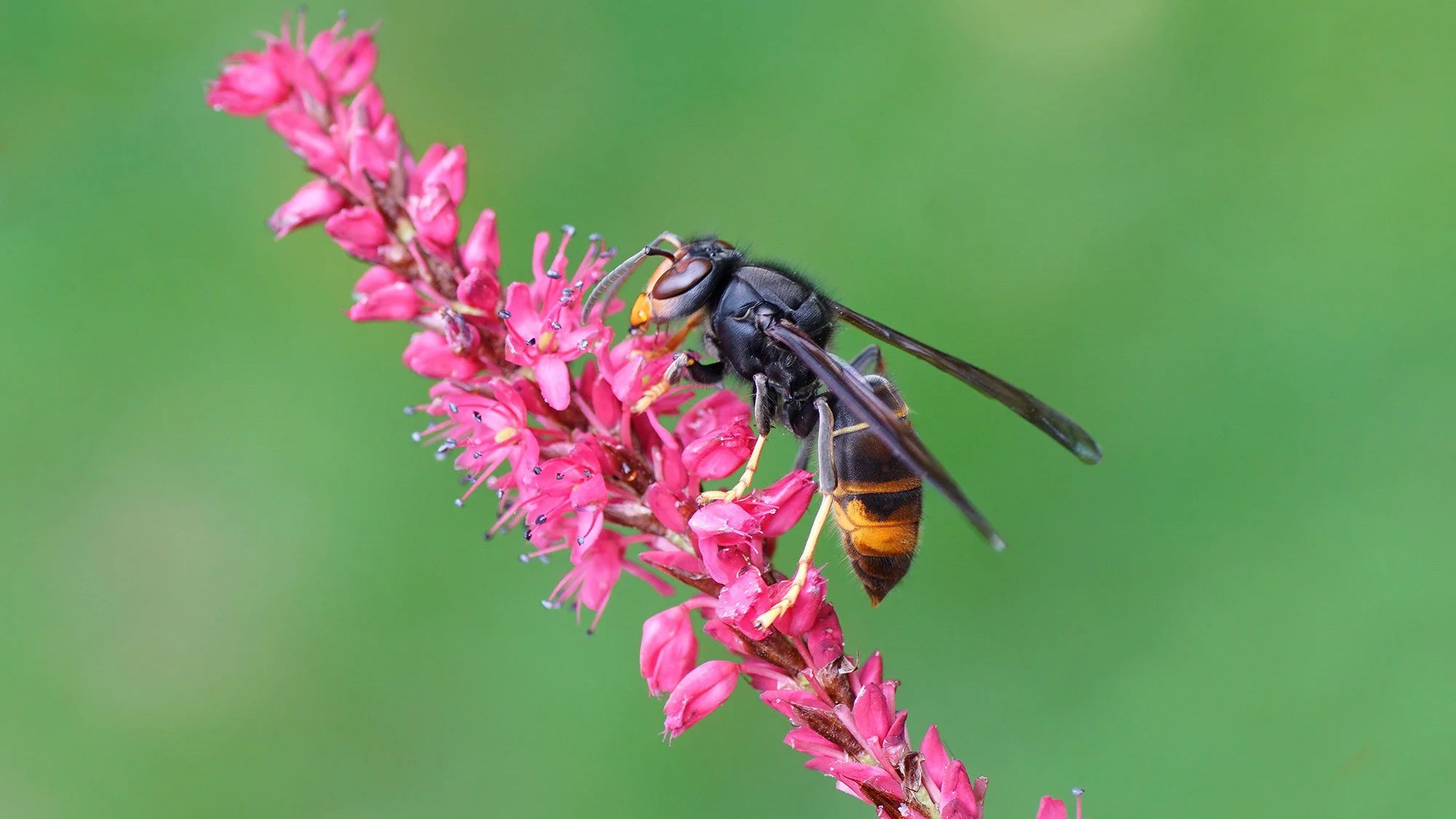
Yellow-legged Asian hornet
The Asian hornet (Vespa velutina) remains one of the most serious invasive threats to UK pollinators. While numbers here are still relatively low compared to mainland Europe, the risk is real. Early detection and rapid response are what keep the situation under control.
Monitoring is not optional. It is essential.
If you’re a beekeeper, part of a local association, or simply aware of increased sightings in your area, here’s how monitoring works and where targeted trapping systems fit in.
Why Monitoring Is Critical
Each confirmed sighting in the UK triggers investigation and, where necessary, nest destruction led by the National Bee Unit.
The goal is simple:
Find nests early. Destroy them before new queens spread.
Public reporting through the Asian Hornet Watch app plays a major role. But structured trapping can also support detection in higher-risk areas, particularly during peak activity periods.
The Role of Targeted Trapping
Trapping must be deliberate and selective.
Uncontrolled use of sugary baits can cause serious by-catch, harming beneficial insects including bees and native wasps. That’s why purpose-built systems are increasingly preferred.
When used correctly, trapping supports monitoring rather than replacing official reporting.
Using Trap-X® and Bait Pod with Vespalure® attractant
The Trap-X® system is designed to work as a controlled trapping unit. When paired with a Bait Pod and a Vespalure® attractant, it becomes a more structured monitoring tool.
Here’s how the components work together:
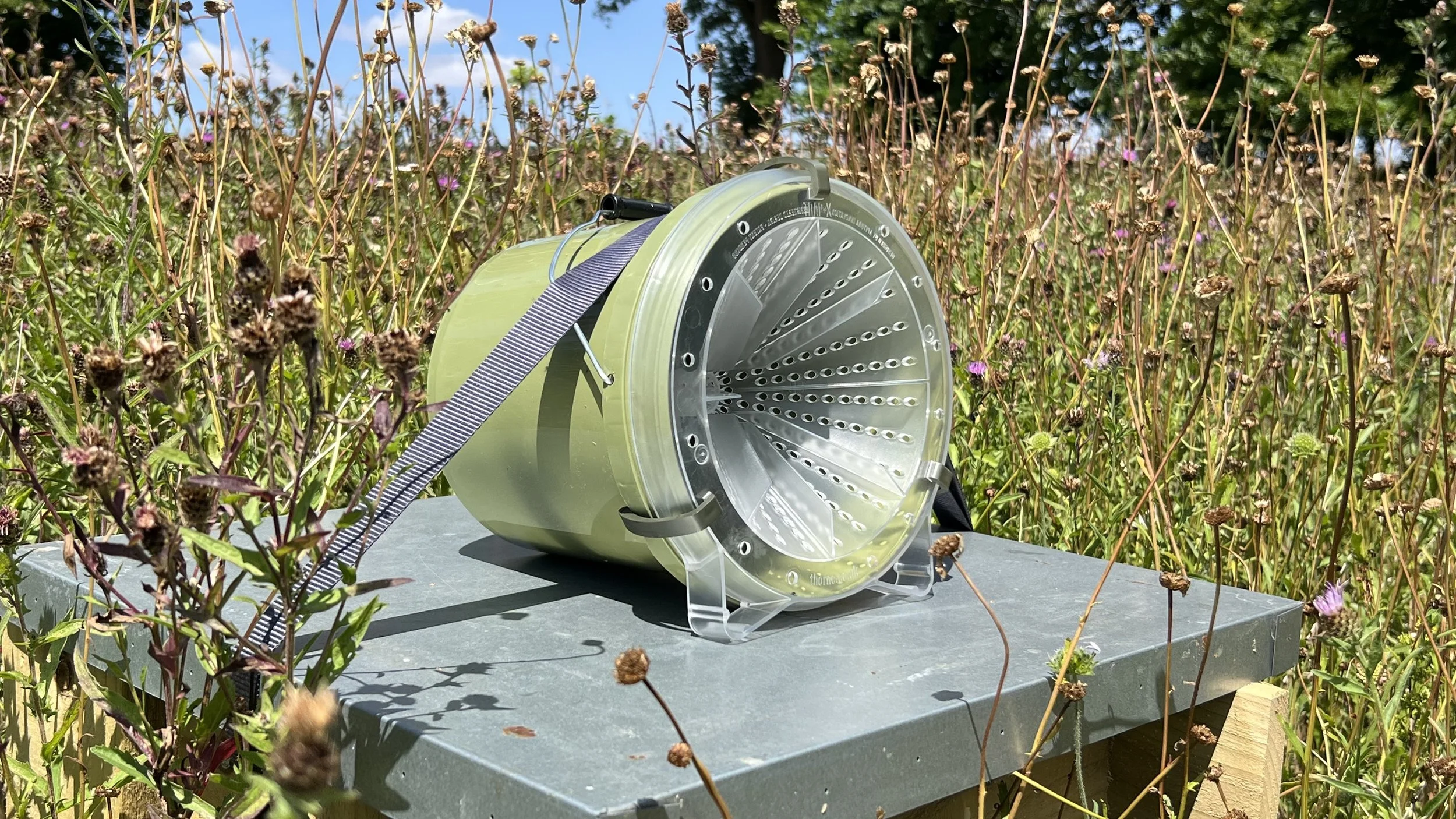
Apitura® Trap-X® deployed at an apiary site
1. Trap-X® Unit
The outer trap housing provides:
Controlled entry points
Internal space for lure or Bait Pod placement
Reduced escape once an Asian hornet enters
Easier inspection and servicing
2. Bait Pod
The bait pod sits inside the trap and holds the attractant securely. Its purpose is to:
Prevent liquid spillage
Control evaporation
Keep the lure contained
Reduce exposure to non-target insects
It keeps the setup clean and consistent, particularly important during longer deployment periods.
3. Vespalure® Attractant
Vespalure® is a species-specific lure developed to target Vespa velutina. Unlike homemade sugar mixtures, it aims to improve selectivity.
When used within the Trap-X® and Bait Pod system, Vespalure®:
Provides a focused scent signal
Reduces random attraction of bees
Supports structured monitoring in risk areas
The combined system allows scent dispersal while keeping the attractant contained and controlled.
When Should This System Be Used?
Trap-X® with bait pod and Vespalure is typically appropriate:
In areas with confirmed local sightings
In buffer zones around previous nest discoveries
During peak Asian hornet activity periods
As part of coordinated local monitoring groups
It should not be deployed indiscriminately across low-risk areas.
Always align trapping activity with guidance from the National Bee Unit or your local beekeeping association.
Best Practice for Deployment
If you are using a Trap-X® and Vespalure® setup:
Position traps away from hive entrances
Check them regularly
Remove and report any suspected Asian hornets immediately
Avoid adding sugary liquids that increase by-catch
Record dates and locations for traceability
Monitoring is about information gathering, not mass capture.
If You Suspect an Asian Hornet
Take a clear photo if safe.
Note the exact location.
Report via the Asian Hornet Watch app.
Do not attempt to destroy nests yourself.
Professional teams are trained to handle removal safely.
The Bigger Picture
Asian hornets are a threat to honey bees, but the impact goes further. Pollination supports gardens, crops, and wild ecosystems. Every nest prevented protects more than just hives.
The UK still has an opportunity to prevent establishment. That window depends on awareness, reporting, and responsible monitoring.
Targeted systems like Trap-X used with bait pods and Vespalure can support that effort when used correctly.
Vigilance works. But only if it’s done carefully!